
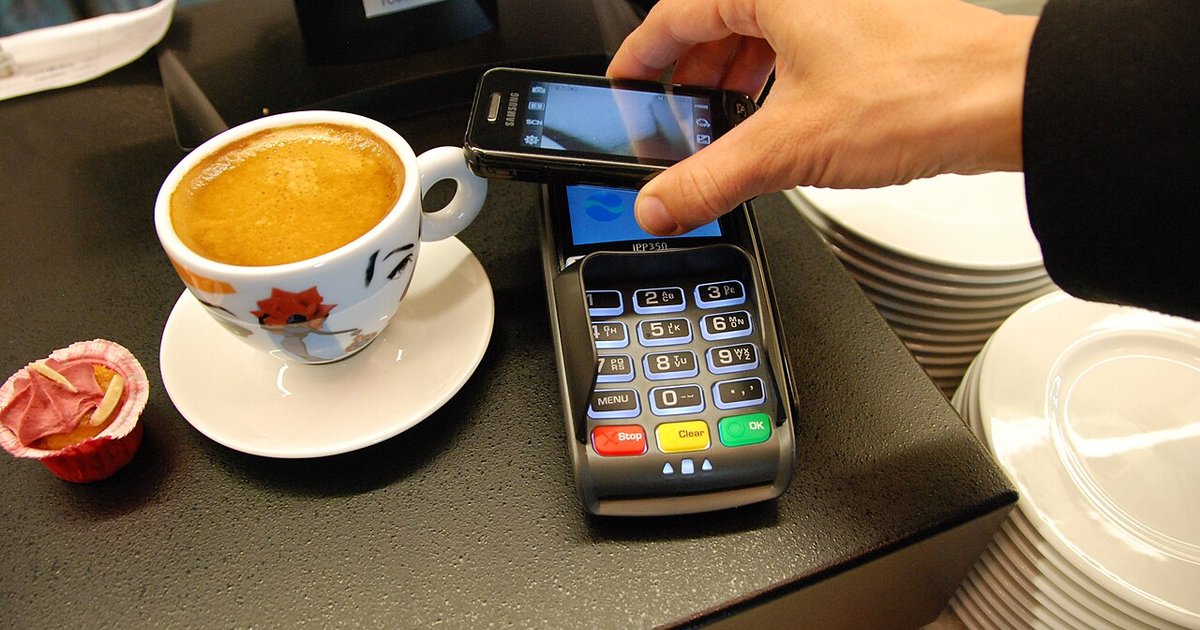
Digital wallets have become a common way to pay both online and in physical stores, letting shoppers check out with a tap of a phone or a single click instead of manually entering card details every time. For anyone still relying only on physical cards, understanding how these tools work can make everyday purchases faster and, in some cases, more secure.
A digital wallet stores encrypted versions of a shopper's payment cards on a phone, tablet, or browser. Instead of transmitting the actual card number during a purchase, the wallet sends a unique, encrypted code tied to that specific transaction. This is part of why many digital wallets are considered more secure than swiping or typing a card number directly, since the real card details are never fully exposed to the merchant.
Beyond speed at checkout, digital wallets can also store loyalty cards, coupons, and receipts, reducing the need to carry a full wallet. Many online stores now support one-click checkout through these services, which can also reduce the temptation to save card numbers directly on multiple individual retailer websites.
As contactless payments become more widely accepted, taking a little time to understand how a digital wallet works can make shopping both quicker and, in many cases, meaningfully safer.